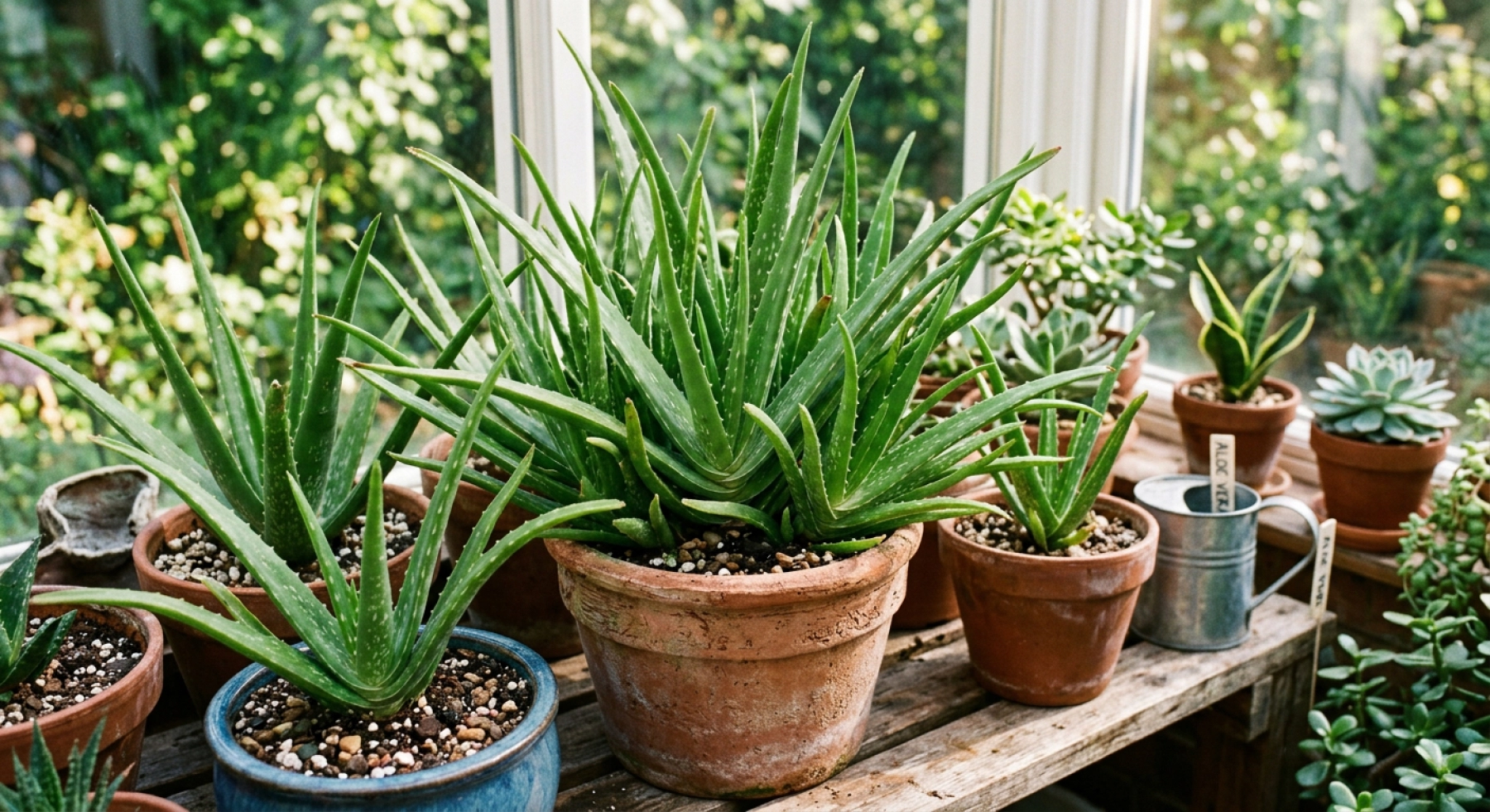

If you’ve noticed your vibrant green succulent losing its color, you aren’t alone. Finding your aloe vera plant turning brown can be frustrating, but it is usually the plant’s way of asking for help. These hardy plants, known as Aloe barbadensis miller, are actually quite communicative once you learn their language.
Whether the tips are crispy or the base is getting mushy, browning is a sign of plant stress symptoms. The good news? Aloe plants are incredibly resilient. Most of the time, a few simple tweaks to your aloe vera sunlight requirements or watering habits can bring them back to life.
1. Water Woes: Too Much vs. Too Little
The most common reason for aloe vera leaf browning is improper watering. Since aloes are succulents, they store water in their leaves.
- Overwatering: If the leaves feel soft, mushy, and turn a dark brown or blackish color, you are likely overwatering. This leads to root rot, a serious succulent plant problem.
- Underwatering: If the leaves look thin, shriveled, and the tips are turning a dry, brittle brown, your plant is thirsty.
The Solution: Establish the best watering schedule for aloe vera plant health. Instead of watering on a set day every week, touch the soil. Only water when the top 2 to 3 inches of soil are bone dry. When you do water, soak it thoroughly until water runs out of the bottom.

2. Sunburn and Heat Stress
While they love light, too much direct, harsh sun can lead to aloe vera plant discoloration. If your plant is sitting in a window that gets intense afternoon heat, the leaves may turn a bronze or rusty brown color. This is essentially a sunburn.
The Solution: Find the best location for aloe vera plant to prevent browning. A spot with bright, indirect light is perfect. If you must keep it in a sunny window, a sheer curtain can act as one of the best products for aloe vera plant sun protection.
3. Soil and Drainage Issues
Your aloe hates “wet feet.” If the water sits around the roots for too long, the plant will suffocate. This is why using the best soil for aloe vera plant turning brown is vital. Standard potting soil often holds too much moisture.
The Solution: Switch to a cactus or succulent mix. For the best pots for aloe vera plant drainage, always choose a container with large drainage holes. Terracotta pots are excellent because they are porous and help the soil breathe and dry out faster.

4. Temperature Shocks
Aloe plants prefer temperatures between 55°F and 80°F. If your plant is near a drafty window in winter or an AC vent in summer, it may react by turning brown. Rapid changes in temperature cause plant stress symptoms that manifest in the foliage.
The Solution: Keep your plant in a stable environment. If you move your plant outdoors for the summer, bring it back inside before the first frost. Consistency is key to plant disease prevention.
5. Nutrient Imbalance
Sometimes, a lack of nutrients (or too many) can cause issues. If you haven’t changed the soil in years, the plant might be starving. Conversely, too much “salty” fertilizer can burn the roots.
The Solution: The best fertilizer for brown aloe vera plant recovery is a balanced, liquid succulent fertilizer diluted to half-strength. Only fertilize during the spring and summer growing seasons, and never more than once a month.

6. Pests and Diseases
Small insects like mealybugs or scale can suck the sap out of your aloe, causing brown spots. Fungal diseases can also take hold if the humidity is too high.
The Solution: Inspect the “nooks and crannies” where the leaves meet the base. For best natural remedies for aloe vera plant browning caused by pests, use a cotton swab dipped in rubbing alcohol to remove insects. Increasing airflow around the plant is also a great aloe vera plant revival technique.
The Best Care Routine for Aloe Vera Plant Maintenance
To prevent future browning, follow this simple checklist:
- Light: 6 to 8 hours of bright, indirect light.
- Water: Use the “soak and dry” method.
- Air: Ensure good circulation around the base.
- Soil: Gritty, well-draining cactus mix.
How to Revive a Brown Plant
If the damage is already done, don’t panic. Here are the best methods for reviving brown aloe vera plant:
- Pruning: Use the best tools for pruning brown aloe vera leaves—usually a pair of sharp, sterilized shears. Snip off the completely dead, dry tips.
- Root Check: If the base is brown, take the plant out of the pot. Cut away any slimy, black roots and let the plant “air dry” for a day before repotting in fresh soil.
- Adjusting: Move the plant to a cooler, shaded spot while it recovers.

Key Takeaways
- Check the Soil: Most brown aloes are either drowning or parched.
- Watch the Sun: Bronze leaves mean too much sun; pale leaves mean too little.
- Drainage is King: Without a hole in the pot, your aloe won’t survive long.
- Be Patient: Aloe vera plant revival takes time. You might not see new green growth for a few weeks.
Thank You For Visiting Our Website https://aloe-vera-plant-care.celltostem.site/. We Value Your Feedback!