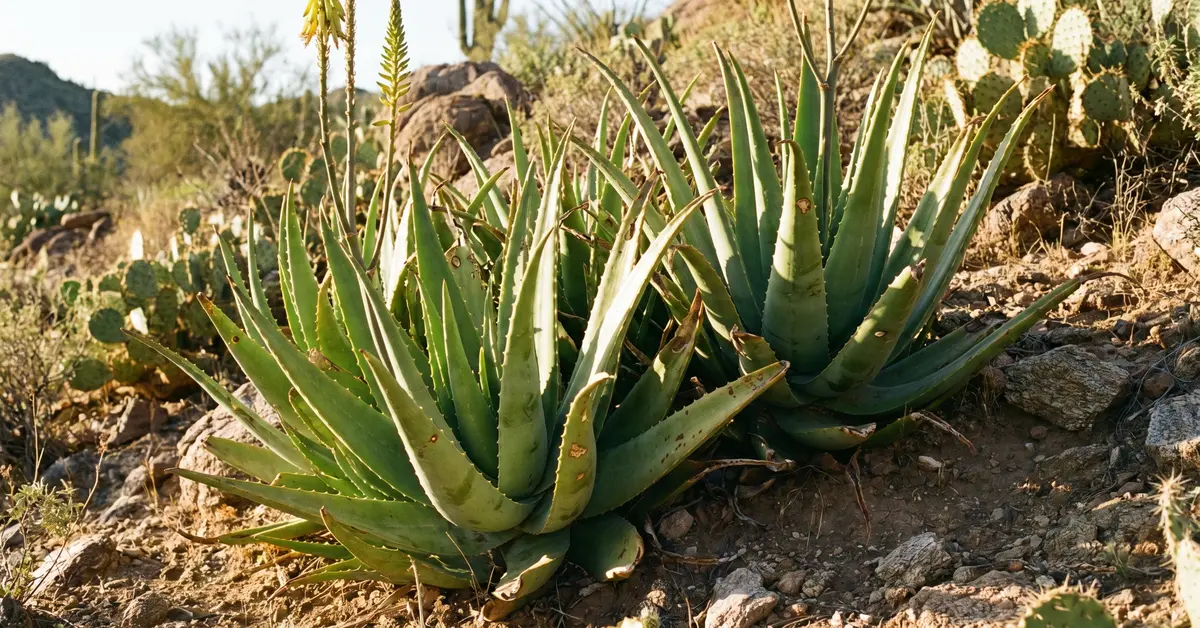
To care for an aloe vera plant indoors, place it in a pot with drainage holes filled with well-draining succulent soil. Position the plant in bright, indirect sunlight near a south or west-facing window. Water it deeply, but only when the top two inches of soil are completely dry—typically every two to four weeks.
Introduction: The Joy of Indoor Aloe Vera Care
Aloe vera is one of the most popular houseplants in the world, and for good reason. Known for the soothing gel inside its thick leaves, it is a sturdy succulent that looks beautiful in any room. However, just because it is a hardy plant doesn’t mean it doesn’t need specific care. To help it thrive and perhaps even bloom, you need to replicate its native desert environment. Learning how to care for an aloe vera plant indoors is all about understanding its basic needs: lots of light, excellent drainage, and a very precise watering hand.
This guide will provide everything you need to know about aloe plant indoor maintenance. Whether you are new to houseplants or looking to improve your success with aloe vera succulent care inside house, these expert steps will ensure your plant stays green, vibrant, and healthy for years.

1. Sunshine and Placement: Where to Keep Your Aloe Vera
The best location for aloe vera plant indoors is a spot that gets lots of light. Remember, this is a desert plant. It loves sunshine. However, inside your home, “too much of a good thing” is possible.
Understanding Best Light Conditions for Indoor Aloe Vera Care
The ideal lighting is bright, indirect sunlight. Think of a very bright room, but the plant is not in the direct path of the sun’s scorching rays. Direct sun on the leaves—especially during the peak summer hours—can cause the leaves to dry out and turn a sickly brown or orange.
If you have a window that faces south or west, placing your aloe about two to three feet away from that window is often perfect. This ensures it gets the aloe vera plant sunlight needs indoors without the risk of burn. If your plant starts getting “leggy” (stretching toward the light with thin, weak leaves), it’s not getting enough sun.
2. The Art of Watering: Less is More for Aloe
Watering is the single most crucial part of caring for aloe vera as a houseplant. More aloe vera plants die from overwatering than from any other cause. When you overwater, the soil stays wet, and the roots “drown” and rot.
The Best Watering Schedule for Indoor Aloe Vera Plants
There is no fixed schedule, like “water every Monday.” Instead, you must water only when the plant tells you it’s ready. Check the soil. The soil must be completely dry several inches down before you water again.
- In spring and summer, you might water every 2–3 weeks.
- In winter, when the plant rests, you might only water every 4–6 weeks.
The best indoor aloe vera plant watering tips are:
- Soak it. When you do water, water it until you see water flowing freely from the drainage holes.
- Drain it. Make sure the pot doesn’t sit in a saucer of water. After 15 minutes, dump out any excess water in the saucer.
- Wait. Forget about the plant until the soil is totally dry.
Temperature and Humidity
Aloe plants prefer temperatures between 55°F and 80°F. They do not need high humidity. In fact, standard indoor aloe vera plant humidity requirements—the average humidity of most homes—are perfect for these succulents.

3. Soil and Potting: The Foundation of Health
You must give your aloe vera the correct foundation. If you put your plant in standard, heavy potting soil, it will retain too much moisture, and you will fight root rot constantly.
The Best Soil for Indoor Aloe Vera Plant Care
The soil should be very gritty. When you look at the best soil for indoor aloe vera plant care, you are looking for a cactus or succulent mix. This mix usually includes sand, perlite, and lava rock. These ingredients are vital because they create tiny “tunnels” that let the water flow through the soil quickly and allow the roots to breathe. This is a foundational step in how to grow aloe vera in pots indoors.
The Best Pots for Aloe Vera Plants Indoors
The best pots for aloe vera plants indoors are those made from a porous material. Terracotta (clay) pots are excellent. Terracotta is breathable. It allows water to evaporate through the walls of the pot, which helps the soil dry out more quickly. Whatever pot you choose, it must have drainage holes.
4. Maintenance: Fertilizer, Pruning, and Pests
Aloe plants don’t require constant attention, but a few simple maintenance steps will keep them in top shape.
The Best Fertilizer for Indoor Aloe Vera Plant Growth
Aloe vera are not heavy feeders. You only need to fertilize them in the spring and summer, during their active growing season. The best fertilizer for indoor aloe vera plant growth is a balanced liquid fertilizer designed for succulents and cacti, diluted to half-strength. Feed your plant once or twice during the spring and summer. Do not fertilize in the autumn or winter, as the plant is resting.
The Best Practices for Indoor Aloe Vera Plant Pruning
When a lower leaf turns brown or shrivels completely, you should prune it. Pruning keeps the plant tidy and helps it direct energy to new growth. For the best practices for indoor aloe vera plant pruning, always use sharp, sterilized scissors or a knife. Cut the dead leaf off close to the base of the plant. If you only want to use a piece of a leaf for its gel, take the most mature leaf (from the bottom) and slice a section off. The “wound” on the remaining leaf will callous over quickly.
Aloe Vera Plant Pest Control for Indoor Settings
Even indoors, plants can get pests. The most common pests for aloe are mealybugs and scale. Mealybugs look like small, fuzzy white cotton balls stuck in the joints of the leaves. Scale pests look like small, hard brown bumps on the leaves.
The best method for aloe vera plant pest control for indoor settings is to spot-treat with rubbing alcohol. Dip a cotton swab in alcohol and dab the pests directly. This kills them without harming the plant. For larger infestations, you can use an insecticidal soap, but test a small spot first.

5. Growing Your Collection: Repotting and Propagation
As your aloe vera grows, it will eventually need more space. This is also the perfect time to make new plants.
The Best Time to Repot Aloe Vera Plant Indoors
The best time to repot aloe vera plant indoors is in the spring. Spring is when the plant’s natural growth cycle begins, which helps it recover quickly from the “stress” of being moved. You will know it is time to repot when the plant is top-heavy and seems about to tumble, or if its roots are pushing through the drainage holes. You do not need to choose a massive pot; just select a container that is one or two inches wider in diameter than the current one. Aloe vera plant potting and repotting indoors is a great activity to do with standard aloe vera indoor gardening techniques.
The Best Methods for Propagating Aloe Vera Indoors
While some plants can be grown from a leaf cutting, this rarely works for aloe vera. The best methods for propagating aloe vera indoors are by separating “pups” (or offsets).
- Find the Pup. Pups are the small, baby aloe plants that grow at the base of the mother plant.
- Separate with Tools. The best tools for caring for aloe vera plants indoors include a sharp, clean knife. Use it to slice the pup away from the mother plant’s root system. Try to keep some of the pup’s roots attached.
- Callous the Wound. Let the pup sit in a dry spot for 2 to 3 days. This lets the cut end dry and “scab over.”
- Pot It. Plant the pup in its own terracotta pot filled with succulent soil. Wait about a week to water it.

6. Advanced Care: What to Do If Your Aloe Looks Unhappy
Even with the best care, your plant might run into issues. Here are the best practices for indoor aloe vera plant pruning if something goes wrong.
- Mushy, Yellow, or Translucent Leaves: These are the classic signs of overwatering and root rot. If you see this, stop watering immediately. If it’s severe, take the plant out of the pot and check the roots. Rotted roots are brown, slimy, and bad-smelling. Trim them off and repot the remaining healthy roots into fresh, dry succulent soil. Wait 10 days before watering again.
- Thin, Withered, or Red Leaves: This usually means your plant is thirsty or receiving too much direct light. Red leaves are a way for the plant to protect itself from excessive sun (like a tan). Move it to a spot with bright indirect light and give it a thorough watering.
- Wrinkled or Flat Leaves: If the usually-plump leaves start to look deflated and horizontal, it is using up its water stores. Water the plant. This is a common part of the aloe vera indoor gardening techniques needed when navigating a dry home.
Conclusion: A Joyful Addition to Your Indoor Garden
Learning how to care for an aloe vera plant indoors is a rewarding experience. These succulents are not demanding; they just need specific conditions to truly thrive. By placing them in bright, indirect light, using a gritty soil mix, and mastering the art of the “soak and dry” watering method, you will ensure your aloe vera remains vibrant and healthy for years.
The most important takeaway for aloe plant indoor maintenance is to observe your plant. Let it guide you. Happy growing!
Thank You For Visiting Our Website https://aloe-vera-plant-care.celltostem.site/. We Value Your Feedback!