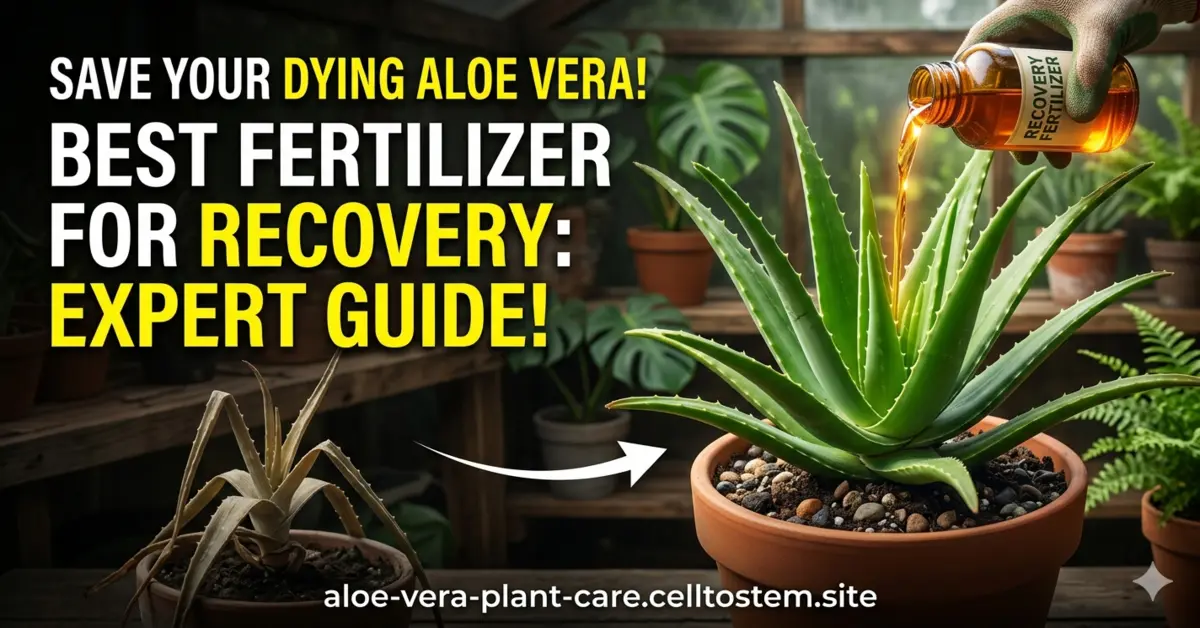
Quick Answer
To help a struggling aloe vera recover, avoid harsh, high-nitrogen chemicals. Instead, use a diluted, balanced organic liquid fertilizer (like a 2-2-2 or 3-3-3 NPK) once the plant shows signs of new growth. For root damage or repotting shock, prioritize phosphorus-heavy organic kelp extracts to stimulate root repair before encouraging foliage.
My Journey from “Aloe Assassin” to Succulent Specialist
I’ll be honest: I used to be an “Aloe Assassin.” A few years back, I had a beautiful Aloe barbadensis that started looking a bit peaky after a move. Its leaves were thin, and it had lost that vibrant, turgid green. My “brilliant” human instinct? “It’s hungry!” I dumped a handful of generic garden granules into the pot and soaked it.
Within forty-eight hours, the tips turned black, and the plant collapsed. I had chemically burned the roots of an already stressed plant. That failure taught me more about aloe vera plant stress recovery than any textbook ever could. Aloe vera doesn’t want a feast when it’s sick; it wants a gentle “energy drink” and a lot of patience.
In this guide, I’m sharing the hard-won secrets of aloe vera plant recovery treatment so you don’t make my early mistakes. We’re going to look at what truly works in 2026 for bringing these resilient plants back from the brink.
Understanding the “Recovery Window”
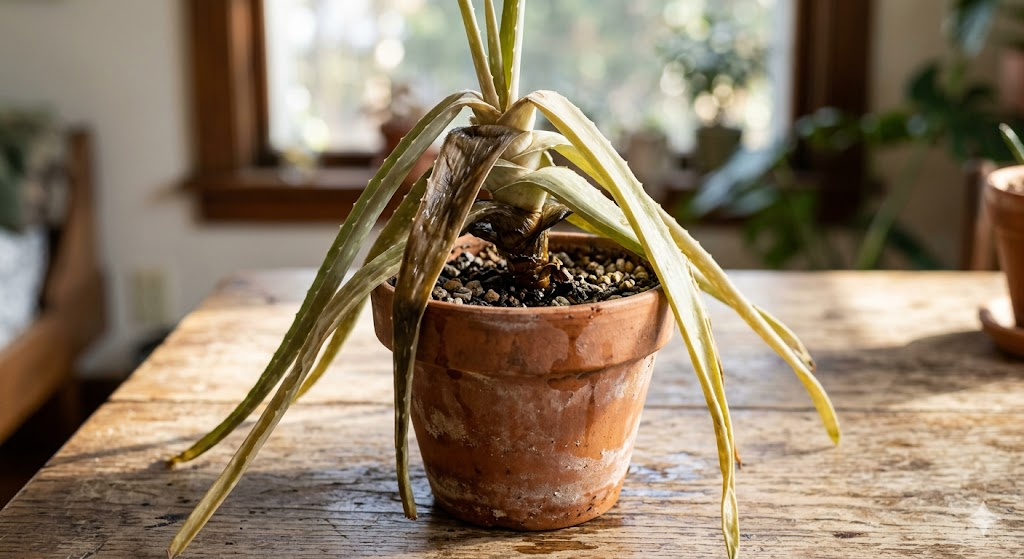
Before you reach for the best aloe vera plant food for recovery, you have to diagnose the stress. Is it “thirsty stress,” “root-rot stress,” or “repotting shock”?
If your plant is soft and mushy at the base, fertilizer is the last thing it needs. That’s a drainage issue. However, if the leaves are thin, curled inward, or turning a dusty reddish-brown, you’re likely looking at a nutrient deficiency or environmental sunburn.
The Golden Rule: New Growth First
In my years of greenhouse tinkering, I’ve found that the best aloe vera recovery fertilizer for beginners is actually time. You should never fertilize a plant that is in total shock. I wait until I see a tiny, bright green “nub” of new growth in the center of the rosette. That is the plant’s way of saying, “I’m back in the game; now you can feed me.”
The Best Aloe Vera Fertilizer for Recovery After Repotting
Repotting is like major surgery for a succulent. Even with the steadiest hands, you’re tearing microscopic root hairs. If you apply a best aloe vera fertilizer for recovery after repotting too soon, the salts in the fertilizer will seep into those “wounds” and dehydrate the plant from the inside out.
My Repotting Recovery Protocol:
- The Dry Spell: After moving your aloe to a new home, don’t water it for at least 5 to 7 days. This lets the roots callously heal.
- The First Hydration: Water with plain, filtered water.
- The Supplement Phase: About a month later, introduce a best aloe vera fertilizer for root recovery. I personally swear by a very weak kelp-based solution. Kelp contains natural hormones (auxins and cytokinins) that stimulate root branching without the “salt shock” of synthetic nitrogen.
Organic vs. Synthetic: Which Wins for Revival?
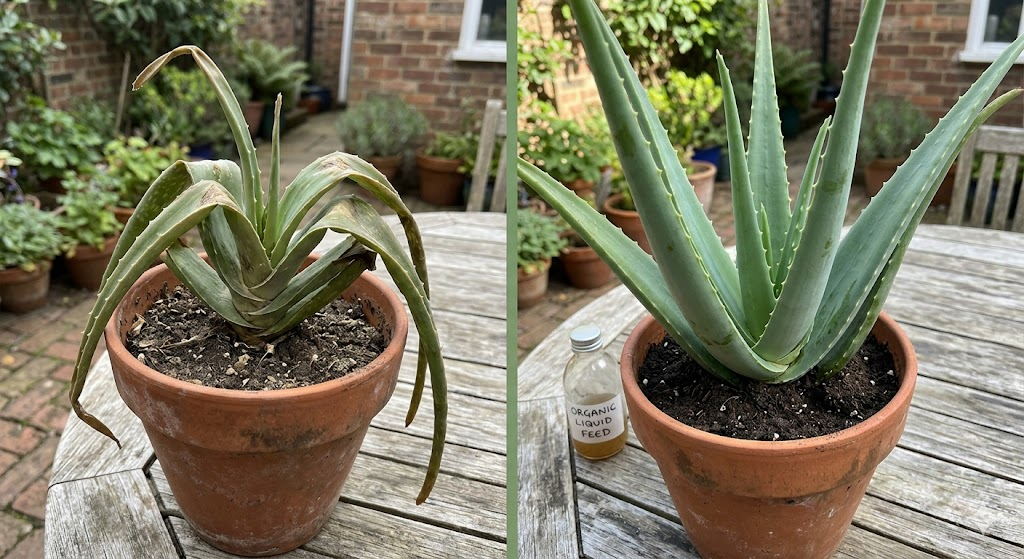
When a plant is weak, its “metabolism” is slow. Using a heavy synthetic fertilizer is like trying to force-feed a person with the flu a five-course steak dinner.
Best Organic Fertilizer for Aloe Vera Recovery
I transitioned to organics about five years ago, and the difference in aloe vera leaf recovery nutrients was staggering. Organic options like worm castings or compost tea break down slowly. They provide a best aloe vera plant health booster that lasts months rather than a quick spike that leads to “leggy” (weak and stretched) growth.
Best Liquid Fertilizer for Aloe Vera Recovery
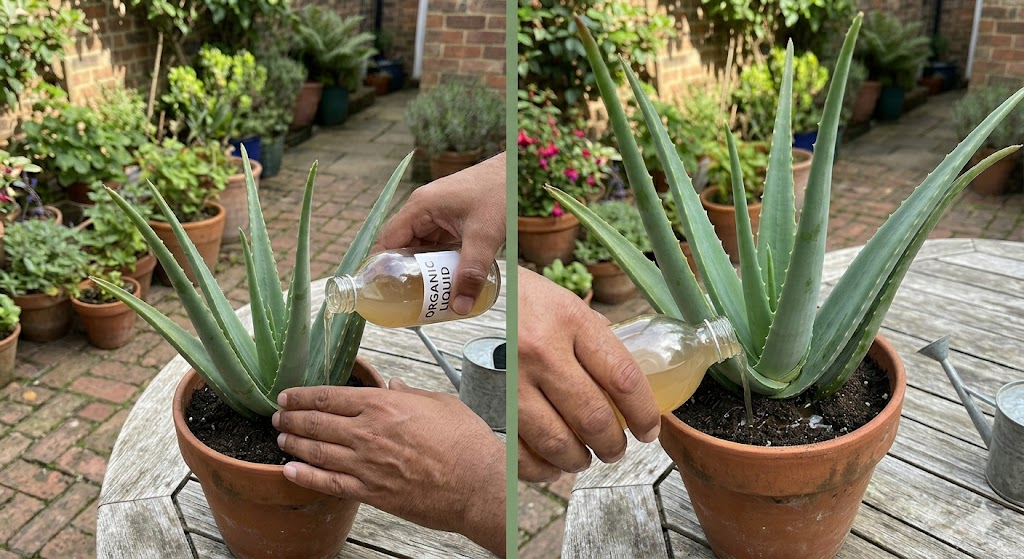
If you need faster results—perhaps because the leaves are yellowing from nitrogen deficiency—a best liquid fertilizer for aloe vera recovery is the way to go. The trick is the “Sip, Don’t Gulp” method.
- Take a standard liquid succulent food.
- Check the label.
- Ignore the label and dilute it to 1/4 of the recommended strength.
This creates a best aloe vera plant recovery supplement that provides nutrients without raising the soil’s electrical conductivity (salinity) to dangerous levels.
Homemade Remedies: Science or Myth?
I see a lot of “hacks” online involving coffee grounds or eggshells. Let’s set the record straight based on my trial-and-error sessions.
- Coffee Grounds: Too acidic and can lead to mold in the stagnant air of an indoor pot. Avoid them for recovery.
- Banana Peels: These provide potassium, which is great for aloe vera plant revival fertilizer. I soak a peel in water for 24 hours, then use that “banana tea.” It’s a fantastic, mild best homemade fertilizer for aloe vera recovery.
- Eggshells: They take years to break down. Unless you’re grinding them into a fine dust and vinegar-extracting the calcium, they won’t help a recovering plant today.
Slow-Release: The “Set It and Forget It” Trap
Many people recommend the best slow release fertilizer for aloe vera recovery because it’s easy. While I use slow-release beads for my healthy, established outdoor aloes, I avoid them for recovery.
Why? Because you can’t “turn them off.” If the weather gets too hot or the plant starts showing signs of distress again, those beads keep pumping nutrients into the soil. For a plant in aloe vera plant aftercare fertilizer mode, you want total control. Use liquids or teas that you can stop the moment the plant looks unhappy.
Troubleshooting: The “Aloe Language”
How do you know if your aloe vera root recovery fertilizer is working? You have to watch the leaves.
| Symptom | Meaning | Action |
| Brown Tips | Salt buildup or over-fertilization. | Flush the soil with distilled water immediately. |
| Pale/Yellow Center | Nitrogen deficiency. | Use a 1/4 strength liquid organic feed. |
| Thin, Flat Leaves | Dehydration or “spent” soil. | Deep watering followed by a kelp supplement. |
| Dark Spots | Often fungal, exacerbated by too much “food” and humidity. | Stop fertilizing and improve airflow. |
Advanced Tip: The “Foliar” Secret
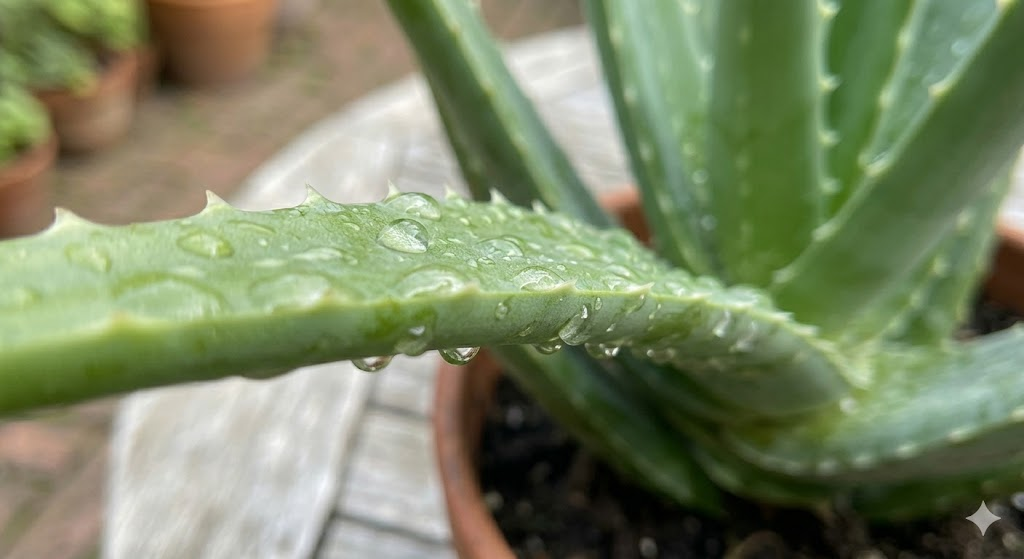
One thing I rarely see mentioned in basic guides is foliar feeding. When an aloe’s roots are damaged, it can’t drink. However, the leaves can still absorb some nutrients through their stomata (though succulents have fewer than other plants).
If I’m dealing with a plant that has almost no roots (maybe from severe overwatering), I use a fine mist of a best organic fertilizer for aloe vera recovery (very diluted fish emulsion) and spray the leaves once a week. This provides a “bridge” of nutrients until the root system can take over again.
Seasonality Matters
Even in 2026, nature hasn’t changed. Aloe vera has a dormant period. If you’re trying to use an aloe vera plant health booster in the dead of winter, you’re fighting an uphill battle.
In my experience, recovery is 3x faster if you wait for the spring. If your plant is struggling in December, just keep it alive with light and minimal water. Save the “recovery feast” for March or April when the days get longer. That’s when the plant’s internal clock is primed for growth.
Final Thoughts on Aloe Aftercare
Reviving an aloe is one of the most rewarding things a gardener can do. It’s a lesson in restraint. We want to “help” by doing more—more water, more food, more sunlight. But the secret to using aloe vera plant fertilizer for recovery is actually doing less, but doing it with higher quality.
Choose organic. Dilute heavily. Watch the new growth. If you follow this “slow and steady” philosophy, that sad, brown succulent will be a thriving, pup-producing machine by next season.

Summary Checklist for Success:
- Wait for new growth before feeding.
- Dilute all fertilizers to 25–50% strength.
- Prioritize organic liquid kelp or fish emulsion for root health.
- Avoid synthetic spikes or granules during the recovery phase.
- Flush the soil with plain water every few months to prevent salt buildup.
Happy planting! You’ve got this, and your aloe does too.